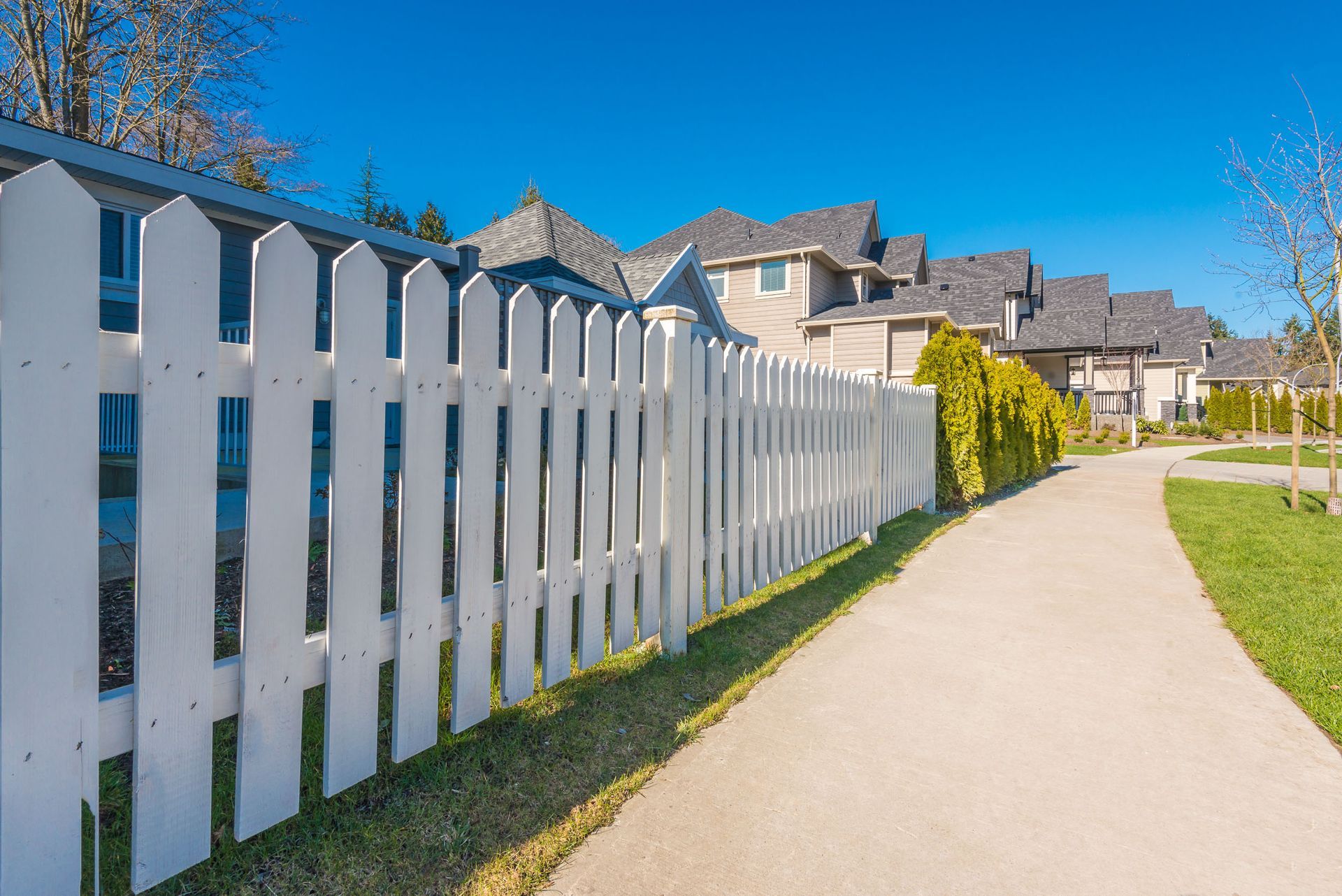
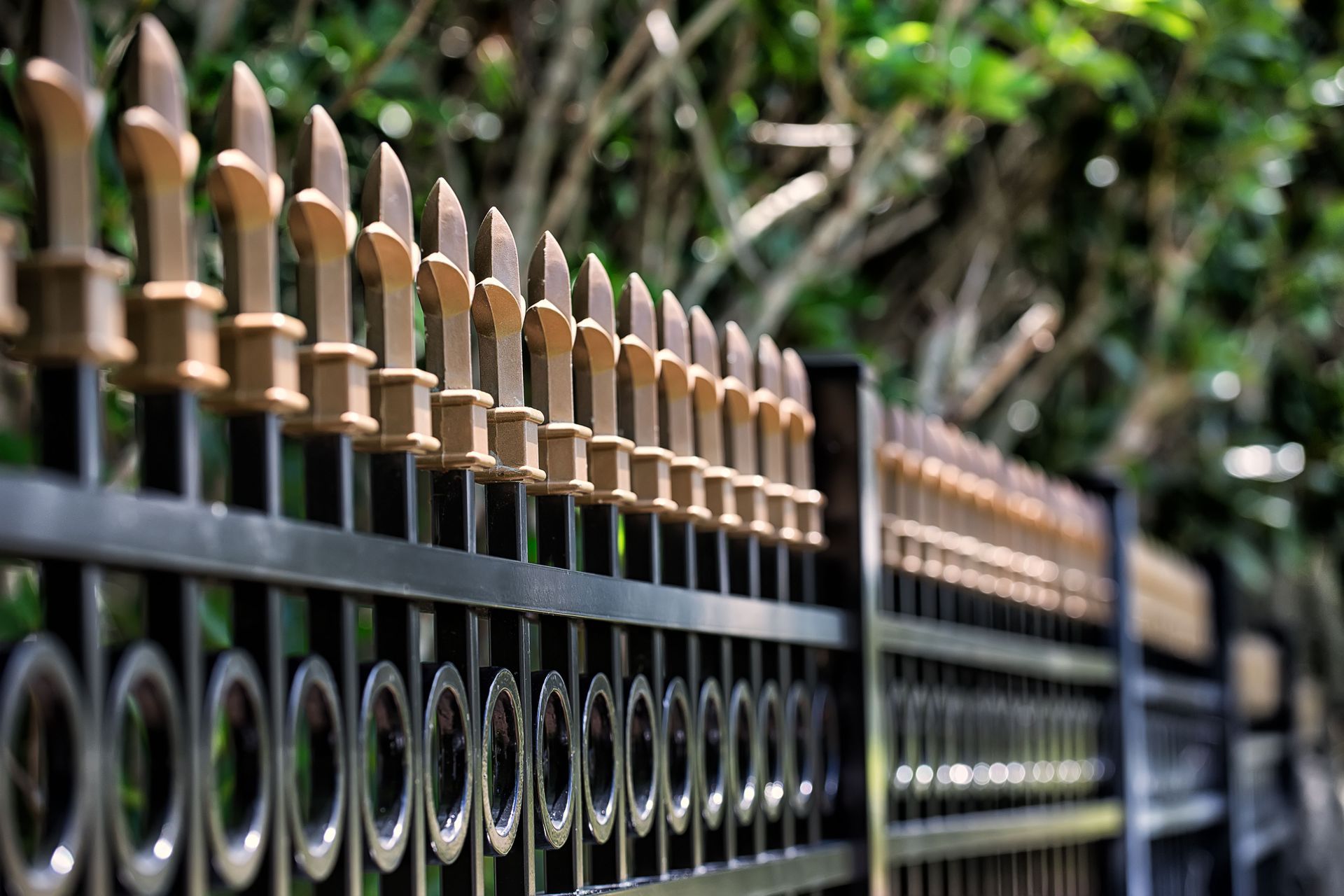
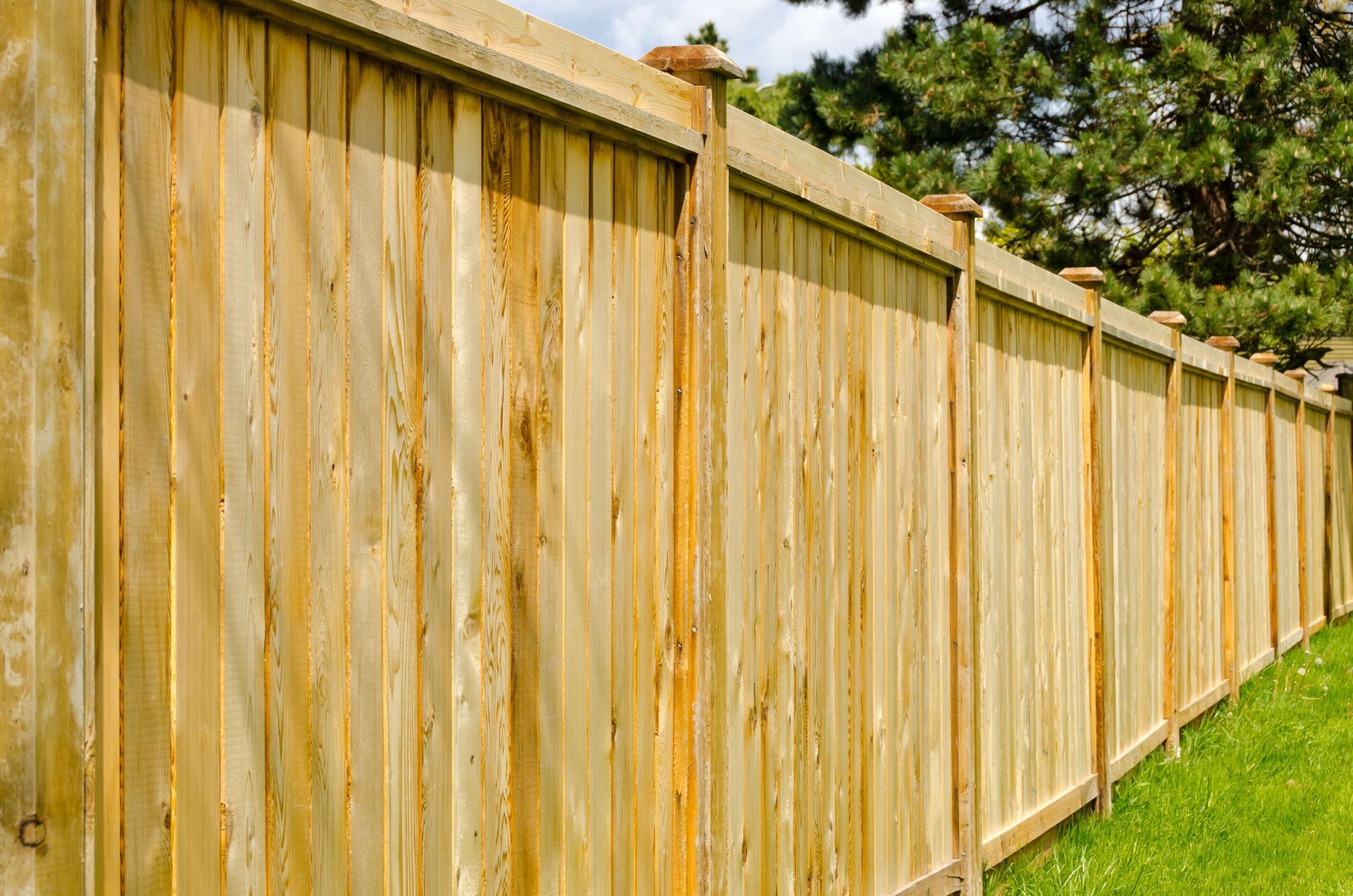
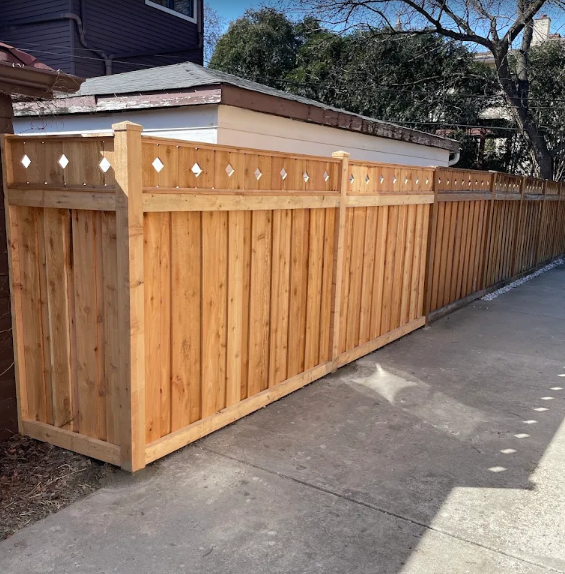
When it comes to home improvement projects, few tasks are as rewarding as installing a new fence. Not only do fences provide privacy and security, but they also enhance the aesthetic appeal of your property. However, one of the most critical decisions in this process involves selecting the right dimensions for your structure. Given the myriad of choices, from various materials to different height and width options, choosing the right dimensions requires careful consideration and collaboration with a knowledgeable fence company. In this article, we will explore key factors to guide your decision-making and help your fence perfectly suit your needs.
Clarifying the Primary Purpose
Understanding the objective of your project is a crucial first step. Are you aiming to enhance privacy, provide a safe area for children or pets, or delineate your property boundaries? For instance, if privacy is your primary concern, you might lean towards taller fence panels. Collaborating with a reputable fencing contractor can help clarify your goals and translate them into specific dimension requirements. Identifying these priorities early helps the installation team suggest specific slat spacing that balances air circulation with your need for a physical barrier. Aligning the purpose with the measurements will help the final result meet both functional and aesthetic expectations.
Evaluating Environmental and Geographic Factors
Environmental considerations also play a significant role in determining the ideal dimensions for your fence. Factors such as local climate, weather patterns, and soil conditions can impact height and width choices. For example, in windy areas across the U.S., a lower fence might provide better stability, whereas in areas prone to heavy snow, a higher clearance from the ground might be beneficial to prevent wood rot or structural strain. Consulting your fence company for advice on what dimensions work best in your geographical area helps longevity and reduces long-term maintenance needs.
Matching Materials to Measurement Needs
The type of material you choose can also influence the dimensions of your fence. According to data from Lowe's, standard vinyl fencing panels are typically produced in heights of 4 to 6 feet and widths ranging from 5 to 7 feet. These dimensions offer a spectrum of options to cater to different needs—whether it is increased security or enhanced aesthetics. Discussing material options with your fence company will help you understand how different materials perform at various scales and which combination suits your budget and desired outcome.
Aligning Budget With Structural Choices
Budget constraints often guide decision-making regarding fence dimensions. Larger fences typically require more material and labor, increasing the overall cost. Before meeting with your installation team, it is beneficial to establish a clear budget range. This financial framework helps focus your discussions and allows the professionals to offer recommendations that maximize both value and quality. Keep in mind, however, that while it might be tempting to reduce costs by choosing smaller dimensions, sacrificing function and aesthetics for mere savings could diminish the long-term value of the installation.
Adhering to Local Regulations and Standards
It is essential to consider local regulations and neighborhood aesthetics. Many areas in the U.S. have zoning laws or community guidelines dictating the maximum height or specific dimensions for residential fences. Ignoring these rules could result in fines or the need to modify your fence post-installation. Taking into account the overall style and dimension preferences within your neighborhood can also help your new fence complement its surroundings. A competent team will be familiar with regulations in your specific area and can guide you in selecting dimensions that are both compliant and culturally harmonious.
Choosing the right dimensions for your fence involves more than just aesthetic preferences; it requires a thoughtful analysis of purpose, environmental factors, material influences, budget constraints, and regulatory considerations. Collaborating with a skilled fence company will help your choices resonate with these multifaceted factors. By making informed decisions on the dimensions of your fence, you will create a structure that not only meets your immediate needs but also enhances the value and beauty of your property for years to come.
If you are ready to start your next project and want professional guidance on selecting the perfect scale for your yard, reach out to the experts. Contact A & M Fence Corp today to discuss your vision with a professional
fence company and receive a detailed estimate for your property.