November 9, 2026
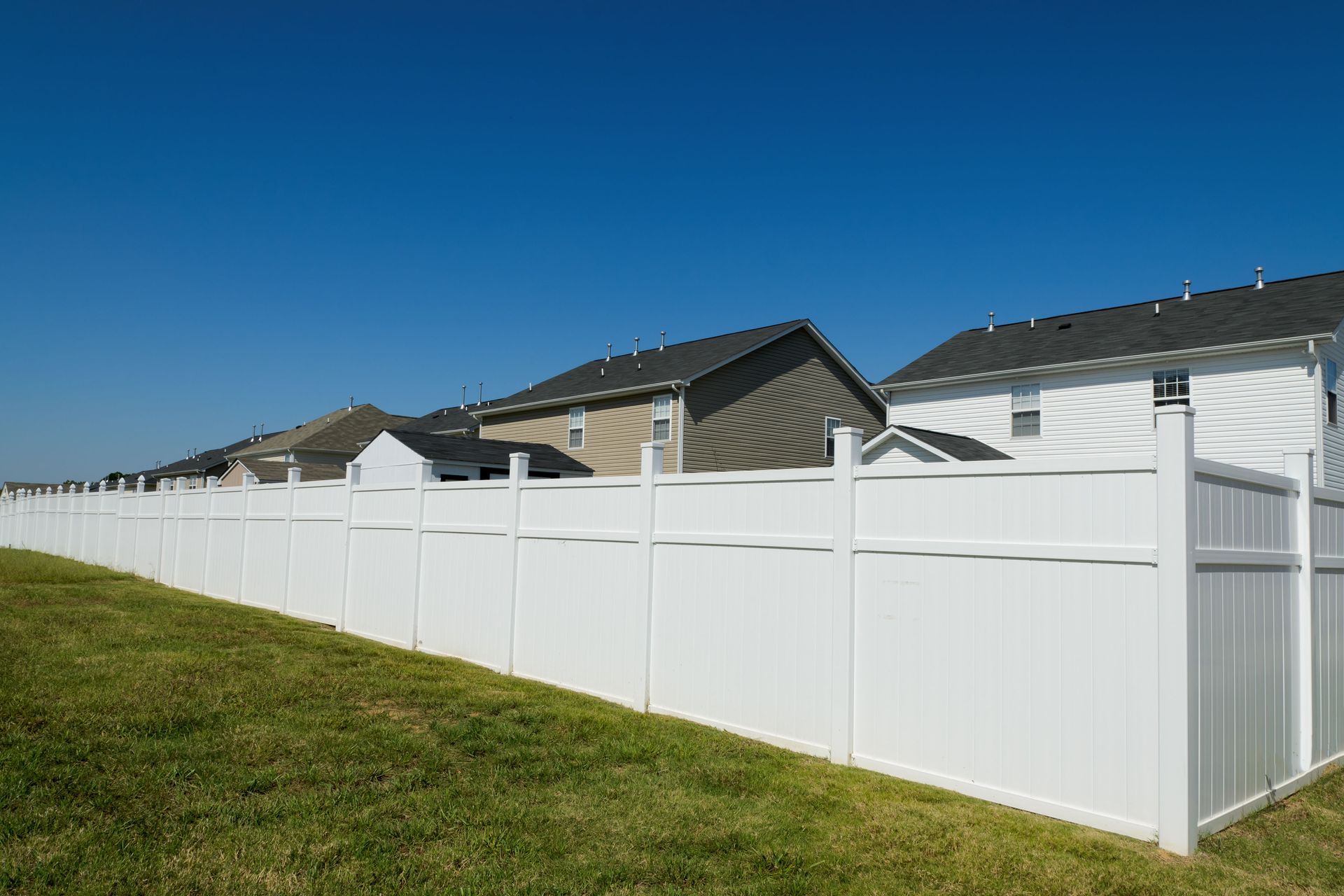
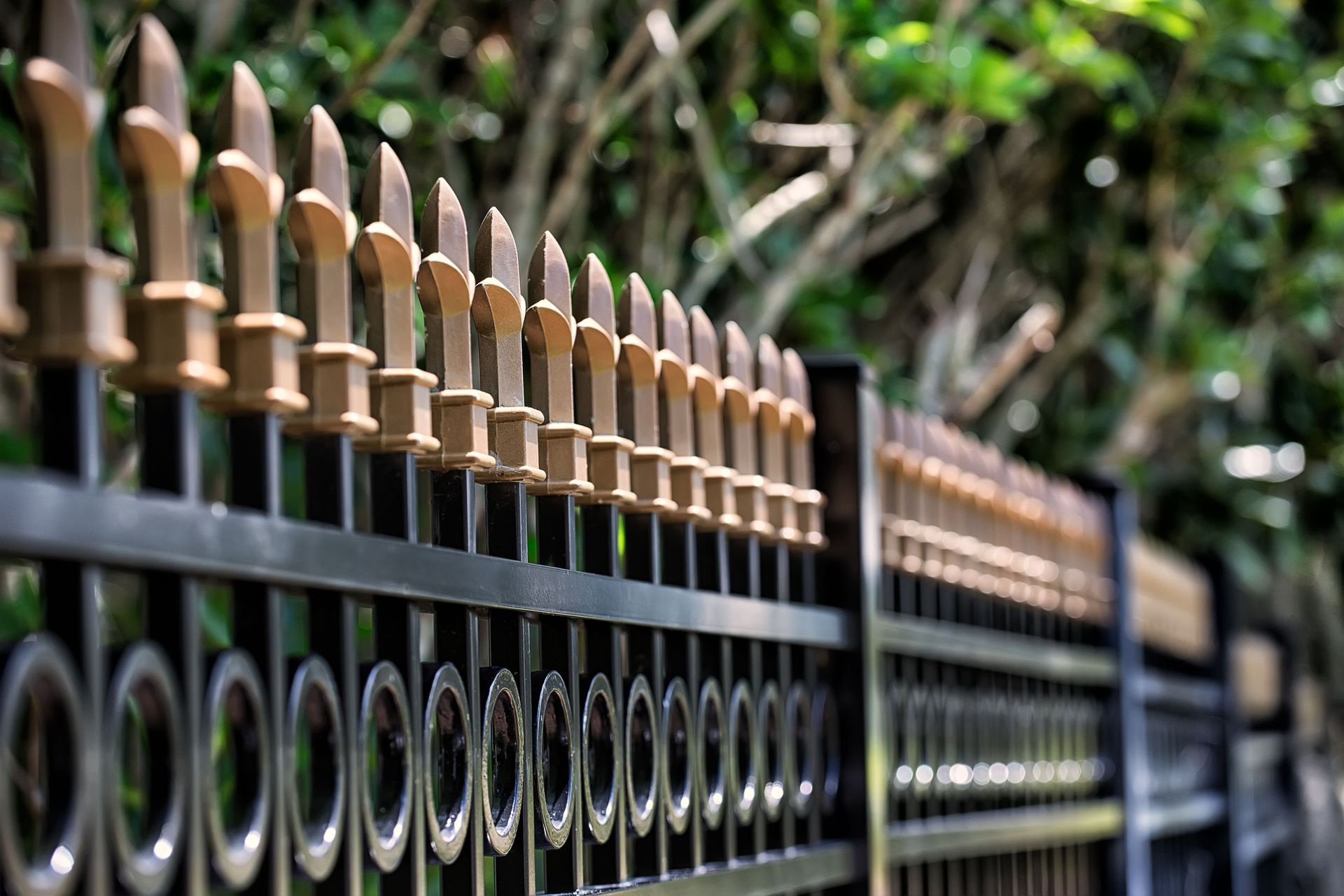
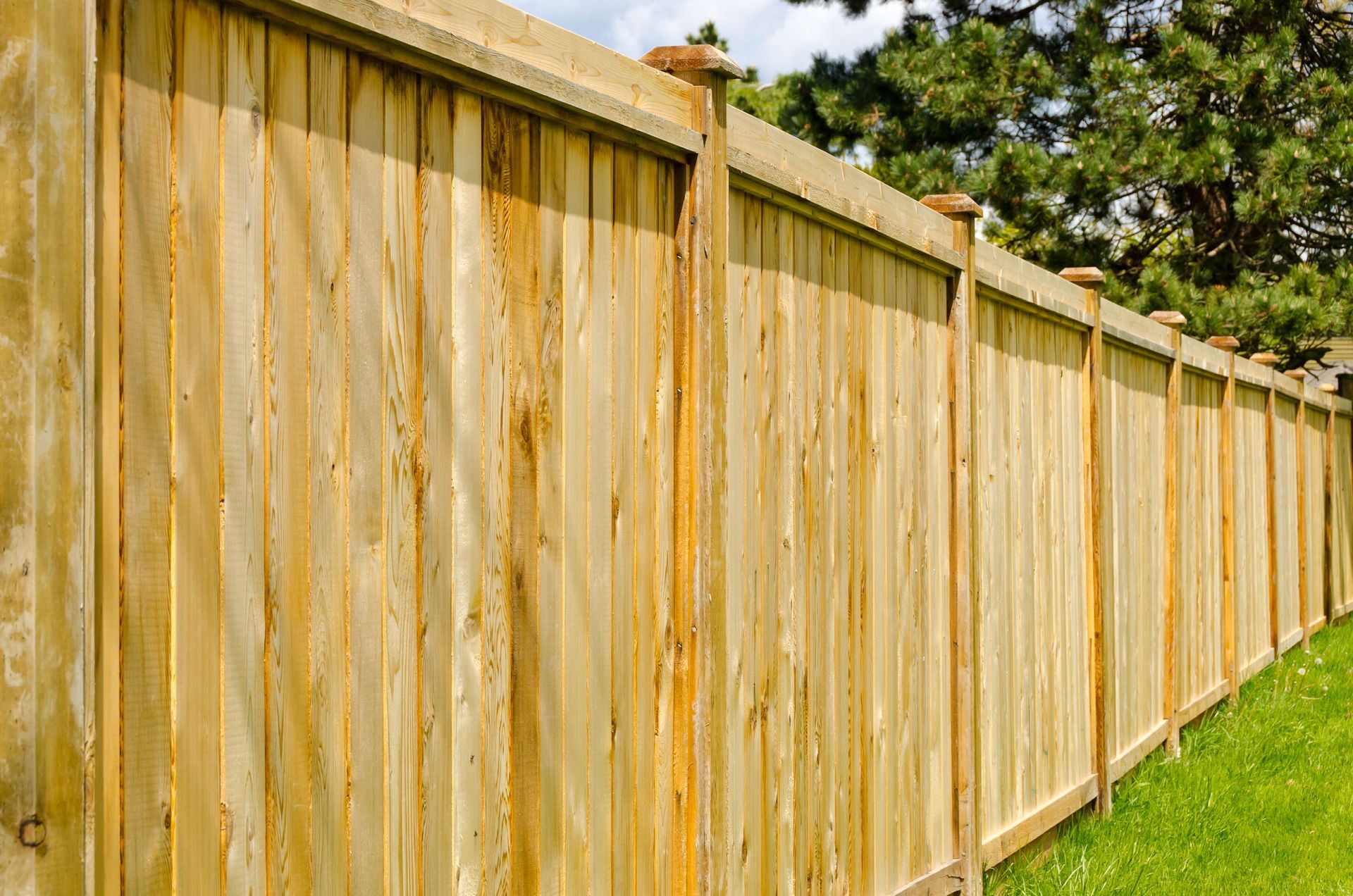
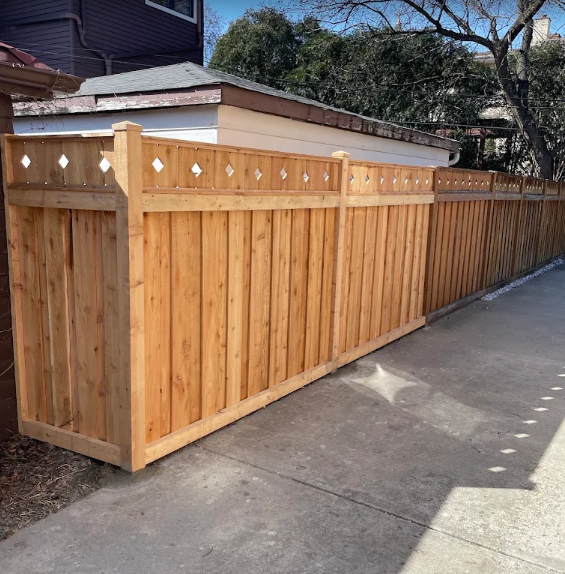
Establishing an attractive perimeter enclosure around a residential property represents a highly rewarding investment that enriches domestic privacy, enhances exterior architectural beauty, and secures backyard spaces for children and playful pets. As the primary boundary demarcating private residential acreage from adjacent public streets and neighboring properties, an exterior fence serves both functional security purposes and profound visual landscaping roles. Whether choosing between classic western red cedar pickets, durable vinyl privacy screens, ornamental aluminum bars, or utilitarian galvanized chain link, property owners must balance stylistic ambitions with long-term weather durability and structural resilience. The residential demand for quality perimeter installations across the nation is remarkably substantial; indeed, According to Grand View Research, residential fencing accounted for 64.8% of the U.S. fencing market in 2025. This overwhelming market dominance illustrates how deeply homeowners value private, secure outdoor living environments that extend their everyday living quarters. However, achieving a flawless, enduring installation requires far more than simply selecting fence panels from a catalog. Engaging reputable perimeter contractors demands asking thorough, insightful questions before signatures appear on service agreements and excavation post-hole diggers touch property turf. Preparing strategic questions regarding contractor licensing, municipal zoning permits, post-setting engineering, gate fabrication, and long-term warranties protects homeowners from premature structural sagging, costly property line boundary disputes, and disappointing workmanship. Taking a disciplined approach guarantees a seamless process that safeguards equity and provides lasting peace of mind.
Verifying Municipal Licensing Credentials and Comprehensive Liability Coverage
The essential starting point when interviewing prospective perimeter contractors involves confirming full regulatory compliance, valid municipal licensing, and comprehensive insurance coverage. Installing an exterior perimeter barrier involves heavy mechanical augers, underground utility proximity, and physical construction labor along property borders. Unlicensed operators lacking verified trade training frequently overlook regional building codes, ignore safety standards, or execute shoddy installations that leave property owners vulnerable to municipal fines and structural failures. Inquiring whether prospective fence companies carry current state trade licenses guarantees that installation crews understand regional wind-load requirements, legal height restrictions, and swimming pool enclosure regulations. Furthermore, homeowners must request certified documentation verifying active general liability insurance and workers' compensation coverage for every employee setting foot on the jobsite. Should an uninsured laborer suffer an accidental injury from a pneumatic nailer or severe trench collapse, the financial liability can fall squarely upon the homeowner's personal property insurance policy. Requesting insurance certificates and licensing upfront filters out transient handymen, ensuring your investment remains in certified, accountable hands.
Clarifying Property Boundary Demarcations and Municipal Permitting Procedures
Navigating zoning regulations, setback requirements, and legal property boundaries represents a complex phase of fence planning where amateur assumptions can trigger bitter neighborhood disputes and expensive tear-downs. Installing a brand-new privacy fence inches across a neighboring property line can result in hostile legal boundary lawsuits, forcing the removal and reconstruction of newly finished enclosures at great personal expense. Homeowners must ask prospective fence companies whether their administrative team coordinates the municipal permitting process and how they handle boundary line verification. Experienced contractors advise property owners to consult formal boundary surveys, identify iron boundary pins, or hire professional land surveyors before breaking ground. Furthermore, skilled contractors handle bureaucratic zoning filings with regional building departments, ensuring that planned fence heights and materials comply with municipal sightline restrictions along street corners and driveway exits. Clarifying permit acquisition establishes clear logistical accountability, preventing regulatory delays and protecting homeowners from contentious neighbor disagreements.
Inquiring About Underground Utility Locating and Site Obstacle Protocols
Excavating dozens of deep post cavities across a residential property presents significant subterranean risks if buried public utilities are not systematically identified before digging begins. Subterranean lines for natural gas, high-voltage electrical power, fiber-optic communications, and domestic water pipelines frequently run along property margins precisely where fence posts must stand. Striking a buried conduit triggers catastrophic safety hazards, hazardous evacuations, and massive financial repair penalties. Responsible homeowners should ask whether fence companies coordinate statutory utility marking calls with regional locating clearinghouses prior to mechanized digging. In addition to public infrastructure, property owners must discuss private subterranean features—such as underground irrigation sprinkler lines, septic drainage pipes, landscape lighting wiring, and swimming pool circulation conduits—that regional locating services do not mark. Inquiring how crews handle tree root intrusions, subterranean bedrock ledges, and uneven terrain slopes ensures that technicians utilize proper trenching techniques without causing catastrophic utility outages or destabilizing fence alignment.
Assessing Post Installation Depth and Concrete Anchoring Engineering
The structural permanence, wind resistance, and vertical alignment of any exterior perimeter enclosure depend entirely upon the quality, depth, and anchoring methodology applied to the structural support posts. While fence boards and pickets capture visual attention, buried support posts absorb continuous lateral wind pressure, seasonal soil heave, and heavy gate swings. Homeowners must ask prospective fence companies specific technical questions regarding post hole depths, concrete footings, and drainage aggregate preparation. In cold northern climates subject to deep winter freezes, post footings must extend below regional frost penetration depths to prevent seasonal frost heave from jacking posts upward out of the ground. Furthermore, property owners should ask whether technicians pour dry concrete mix into wet holes or mechanically mix wet concrete before pouring around posts. Pouring pre-mixed wet concrete ensures uniform structural curing, eliminating weak gravel pockets that allow posts to wobble over time. Clarifying post hole depths and concrete curing protocols guarantees your fence stands resolute against severe storms.
Understanding Gate Hardware Construction and Heavy-Duty Reinforcement
Residential gates represent the sole dynamic, moving component of an otherwise stationary perimeter structure, making them uniquely vulnerable to mechanical sagging, hardware failure, and latch misalignment. A poorly constructed gate quickly becomes an irritating daily nuisance that drags across turf, scrapes concrete walkways, and fails to latch securely, compromising pet safety and pool security. Discerning homeowners should ask candidate fence companies detailed questions regarding gate frame engineering, hinge specifications, and diagonal structural bracing. Premium gate installations feature welded internal steel or aluminum sub-frames that prevent wooden frames from twisting, racking, or warping under dynamic weight. Furthermore, property owners must inquire whether gates receive heavy-duty, commercial-grade adjustable hinges, self-closing spring mechanisms, and lockable security latches capable of accommodating seasonal ground movement. Inquiring about gate post dimensions ensures hinge posts prevent lateral leaning, guaranteeing smooth operation and lasting mechanical durability.
Investing in a custom residential perimeter enclosure represents an enduring commitment to domestic privacy, family security, and property value enhancement. Because an exterior fence represents a permanent, highly visible structural addition, selecting an installation partner demands rigorous diagnostic vetting and transparent technical communication. By proactively asking critical questions regarding licensing credentials, municipal zoning permits, underground utility clearance, post-setting engineering, gate reinforcement, and comprehensive workmanship warranties, homeowners take command of their exterior remodeling journey. Rather than settling for ambiguous verbal promises or low-bid handymen who cut corners on post depths and hardware quality, thorough interviewing ensures that your project is executed with master craftsmanship and legal precision. Prioritizing certified expertise and high-grade materials transforms raw fencing components into a magnificent, resilient boundary that elevates curbside aesthetics and withstands severe weather across decades of service. Thorough preparation shields equity, prevents property disputes, and guarantees lasting peace of mind.
At A & M Fence Corp, our dedicated team brings deep perimeter expertise, master installation craftsmanship, and an unwavering commitment to quality on every residential and commercial project we guide, ensuring your property achieves breathtaking visual elegance, unyielding structural durability, and extraordinary privacy across every finished boundary. Contact us today or visit our local showroom to schedule your comprehensive on-site consultation and discover the lasting benefits of working with trusted fence professionals.