May 7, 2026
Chain link fencing is one of the most practical fencing options for residential, commercial, and public spaces. Its open-weave design, durable metal construction, and straightforward installation process make it a popular choice for property owners who want security, visibility, and function without a highly decorative barrier. From backyards and dog runs to schools, sports fields, warehouses, and construction sites, chain link fencing can serve many different purposes while remaining relatively simple to maintain. In this article, we'll look at how chain link fencing works, where it is commonly used, what benefits it offers, and what to consider before installing it.
Choosing Chain Link Fencing for Practical Security
Chain link fencing is often selected because it provides a visible boundary without completely blocking the view. This makes it useful for homeowners who want to keep children or pets inside the yard while still being able to see beyond the fence. It is also valuable for commercial properties because it can discourage trespassing while allowing business owners, employees, or security personnel to monitor activity around the property.
The security level of a chain link fence depends on height, wire gauge, post strength, gate style, and whether additional features are added. A shorter residential fence may be ideal for marking a yard or creating a pet area, while a taller fence may be better for commercial properties, athletic areas, or storage lots. Some property owners also add privacy screens, locked gates, or other security features when the fence needs to serve a stronger purpose.
Choosing Chain Link Fencing for Long-Term Value
Chain link fencing is known for its long service life, especially when it is installed properly and made with quality materials. According to This Old House, professionally installed chain link fencing can last up to 20 years with minimal care. That makes it a strong option for property owners who want a fence that can perform well over time without constant repairs, painting, or staining.
Galvanized steel is one of the most common materials used for chain link fencing. The galvanization process helps protect the metal from rust and corrosion, which is especially important for outdoor use. Some chain link fences are also coated with vinyl, often in black, green, or brown. These coatings can add another layer of protection while also giving the fence a more finished appearance.
Choosing Chain Link Fencing for Residential Properties
Many homeowners use chain link fencing because it is functional, affordable, and easy to customize. It can be installed around a full backyard, along a side yard, around a garden, or in a smaller section designed for pets. Because the fence does not fully block the view, it can help a yard feel open while still creating a clear boundary.
For families with pets, chain link fencing can be especially useful. It allows dogs to enjoy outdoor space while helping keep them safely contained. The right fence height and bottom tension wire can reduce the chances of pets jumping over or pushing under the fence. Homeowners with larger or more active dogs may want a taller fence or stronger gauge wire for added protection.
Choosing Chain Link Fencing for Commercial Properties
Commercial properties often need fencing that is strong, practical, and easy to maintain. Chain link fencing is commonly used around warehouses, storage yards, schools, parks, municipal buildings, construction zones, apartment communities, and industrial sites. It can help protect assets, limit access, and create a safer layout for employees, customers, or visitors.
For businesses, the design of the fence matters. A commercial chain link fence is often taller and heavier than a residential version. Thicker posts, stronger fittings, and heavier wire can help the fence stand up to higher traffic, more wear, and greater security demands. Many fence companies recommend chain link fencing for commercial projects because it can cover large areas efficiently while still allowing visibility across the property.
Choosing Chain Link Fencing for Different Materials
Not all chain link fencing is the same. The most basic version is galvanized chain link, which has a silver-gray appearance and strong resistance to outdoor conditions. This option is often selected for practical spaces where durability and cost matter more than appearance. It is common for backyards, utility areas, storage lots, and recreational spaces.
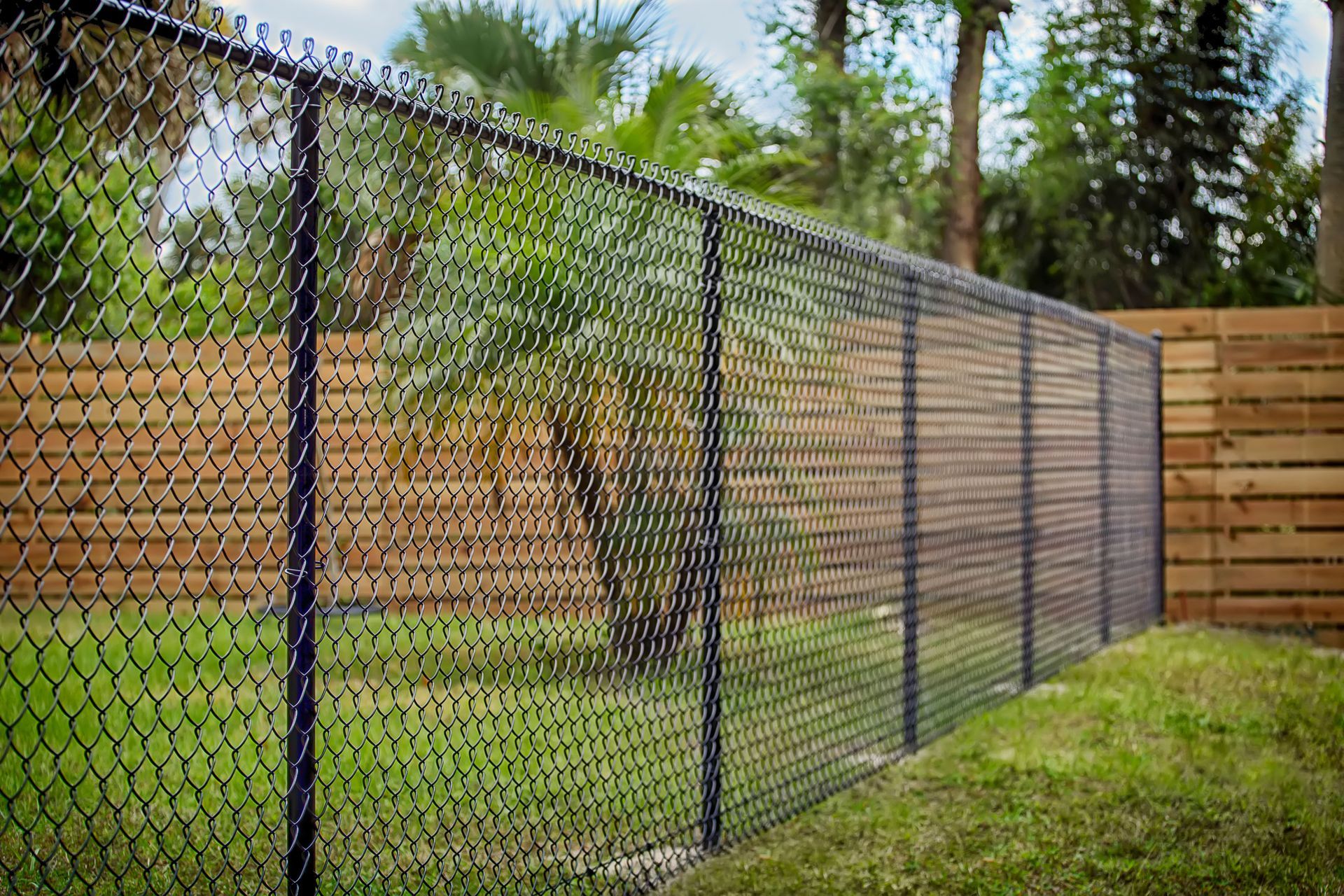
Vinyl-coated chain link fencing is another option. It has the same general structure as galvanized fencing, but the wire is coated with a colored protective layer. Black vinyl-coated chain link is especially popular because it can blend into the background more easily than bright galvanized metal. Green and brown coatings can also work well in yards with landscaping, wooded areas, or natural surroundings.
Choosing Chain Link Fencing for Height and Layout
Fence height plays a major role in how a chain link fence performs. Shorter fences, such as 3- or 4-foot options, are often used for front yards, garden areas, or simple boundaries. A 5- or 6-foot fence may be better for backyards, pets, and general containment. Taller fences are often used for sports facilities, commercial lots, and security-sensitive properties.
Layout is equally important. Before installation, the property should be measured carefully so the fence follows the intended boundaries. Corners, slopes, trees, driveways, sidewalks, utility lines, and existing structures can all affect the final design. Gates should also be planned early so the fence supports daily access rather than making movement difficult.
Choosing Chain Link Fencing for Privacy Options
Although chain link fencing is not naturally private, it can be modified to provide more screening. Privacy slats are one of the most common options. These narrow inserts slide vertically into the fence mesh to block some of the view. They come in different colors and styles, allowing property owners to improve privacy while keeping the structure of the chain link fence.
Privacy screens are another option. These fabric or mesh panels attach to the fence and are often used around construction sites, sports fields, pools, patios, and commercial properties. Landscaping can also improve privacy around chain link fencing. Shrubs, climbing plants, tall grasses, and trees can soften the appearance of the fence while creating a more natural screen over time.
Choosing Chain Link Fencing for Maintenance Needs
Chain link fencing is generally low maintenance, but it still benefits from occasional care. Property owners should inspect the fence periodically for loose fittings, bent rails, sagging mesh, damaged gates, or signs of rust. Catching small issues early can help prevent larger repairs later.
Cleaning is usually simple. Dirt, grass clippings, pollen, and outdoor debris can often be removed with a hose. For tougher buildup, mild soap and water can help refresh the fence. Gates deserve special attention because they move regularly. Hinges, latches, and gate frames should be checked to make sure they open and close properly.
Choosing Chain Link Fencing for Installation Planning
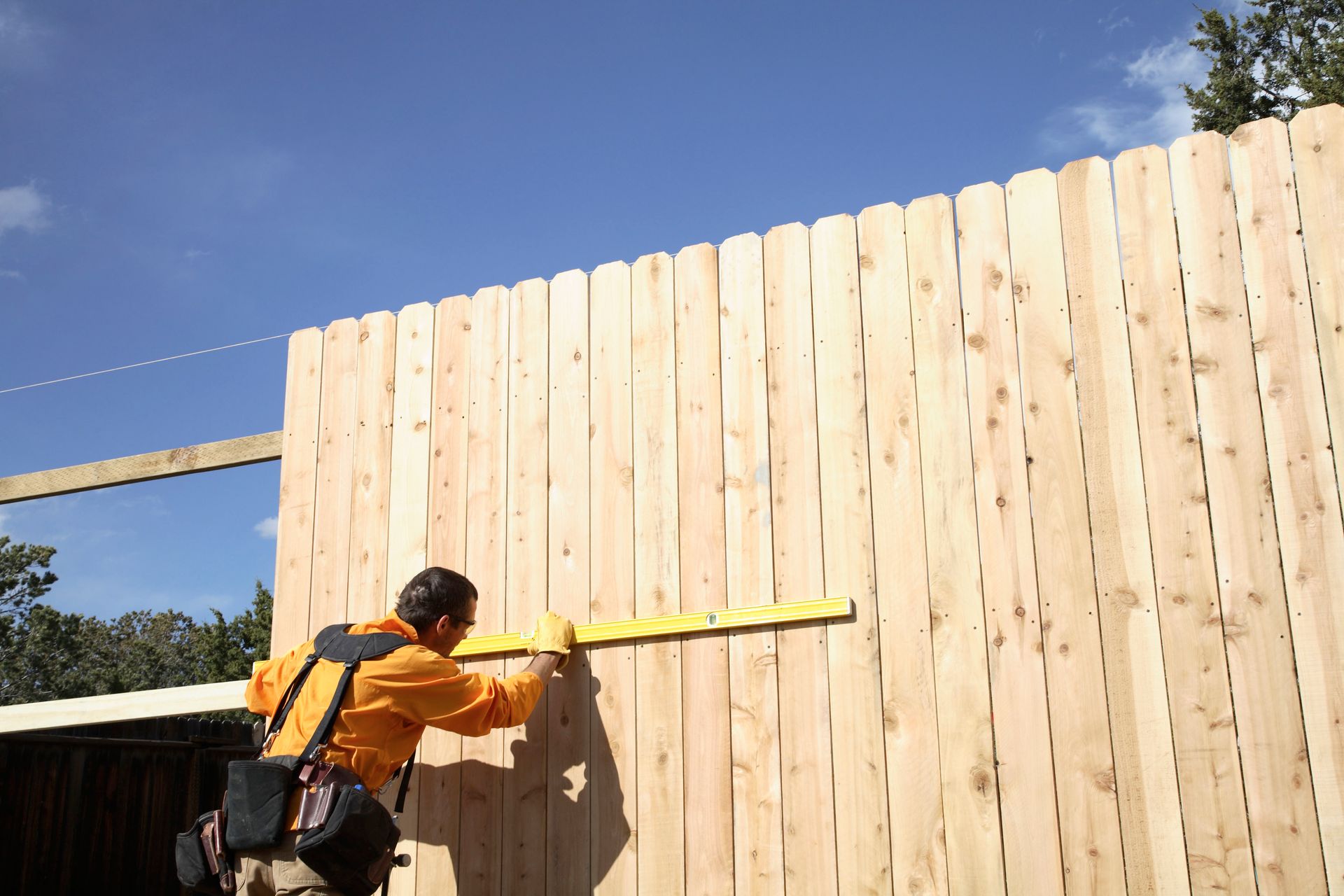
A successful chain link fence starts with careful planning. Property owners should confirm property lines before installation, especially if the fence will be placed near a neighbor's yard. Local codes, homeowners association rules, permit requirements, and height restrictions may also apply. Checking these details before installation can help avoid problems after the fence is built.
The ground conditions should also be considered. Rocky soil, steep slopes, drainage issues, tree roots, and uneven terrain can affect the installation process. In some cases, the fence may need to step down a slope or follow the grade of the land. Experienced fence companies understand spacing, post depth, tension, gate alignment, and local requirements, which can help create a stronger finished result.
If you are considering a new fence for your property, contact A&M Fence Corp today to discuss your goals, compare options, and schedule a professional estimate.