July 6, 2026
This article explores the role of commercial fencing in improving workplace safety and supporting controlled access across residential, commercial, and industrial properties. Properly installed fencing helps define property boundaries, guide entry points, and create a structured perimeter that supports day-to-day operations. In many environments, fencing is a foundational part of a broader property management approach, helping maintain order and reduce unwanted access to restricted areas. When planned effectively, fencing contributes to a safer, more organized space for employees, visitors, and property owners.
Basic Commercial Fencing Systems
Use Types of Fencing Materials
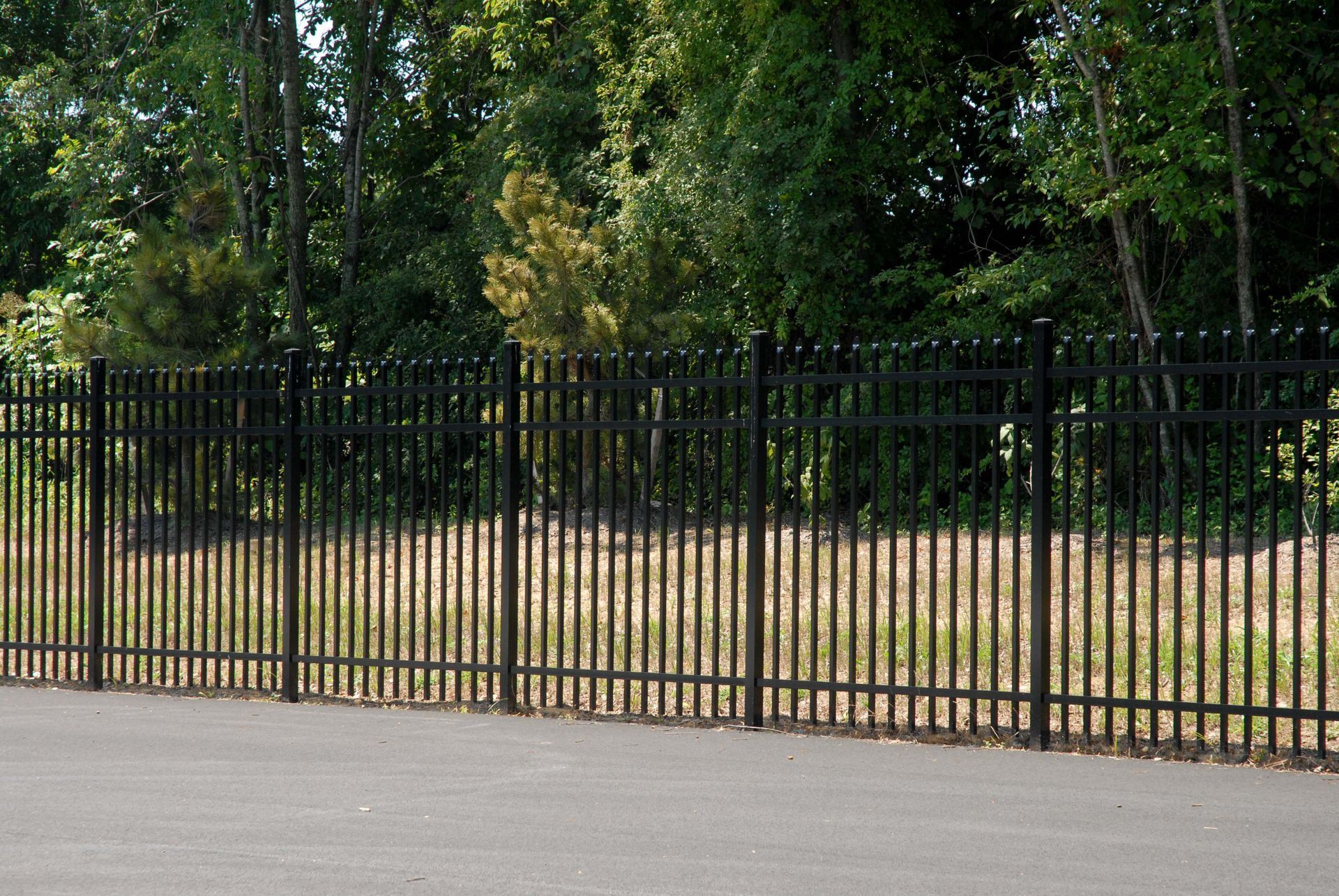
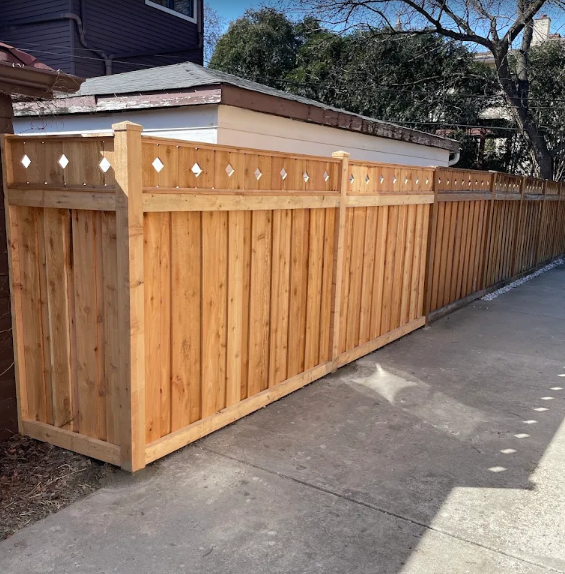
Commercial fencing is available in several materials, each suited to different property needs and applications. Chain link fencing is commonly used for securing larger areas where visibility and durability are important. Aluminum fencing provides a lightweight, corrosion-resistant option often chosen for both decorative and functional purposes. Ornamental iron fencing offers a more refined appearance while maintaining a strong perimeter structure. Wood fencing is frequently used for privacy-focused applications, while vinyl fencing provides a low-maintenance option designed for long-term use and durability.
Selecting the appropriate material depends on the intended purpose of the fence, the surrounding environment, and the level of privacy or visibility required. Chain link fencing is often selected for practical boundary definition, while aluminum and ornamental iron are commonly used where appearance and structure both matter.
Explore Fencing Designs and Structures
Commercial fencing is available in a variety of designs that serve different functional and visual purposes. Ornamental iron and aluminum fencing are often chosen for properties that require a more refined appearance while still maintaining a secure boundary. Chain link fencing is frequently used in applications where visibility and practical perimeter control are priorities. Wood and vinyl panel fencing are commonly selected when privacy is a primary concern.
The structure of a fence plays an important role in how it performs as a boundary system. Solid panel designs can help limit visibility into a property, while open designs like chain link allow for clear sightlines across a perimeter. The selection of a fencing style depends on the intended use of the space, the level of privacy required, and the overall layout of the property.
Modern fencing designs are often selected to complement the surrounding environment while still serving a functional role in defining property boundaries. This allows businesses and property owners to maintain a consistent appearance while ensuring their perimeter is clearly established.
Review Legal and Regulatory Requirements
Commercial fence installation may be subject to local regulations depending on property type, location, and zoning requirements. These regulations can influence fence height, placement, and in some cases material selection. Understanding these requirements is an important step in planning a fencing project to ensure proper installation and compliance with local guidelines.
Different property types may also have specific considerations based on their use. For example, commercial and industrial properties may have additional requirements related to access points or perimeter layout. Careful planning helps ensure the fencing system is properly aligned with applicable standards and site conditions.
According to a 2025 municipal planning review of over 1,200 U.S. property installations, fence placement rules can vary significantly by jurisdiction, with many requiring specific setbacks from sidewalks and property lines. These variations often impact how fencing layouts are designed and approved before installation begins. Careful review of local standards helps ensure projects are completed in alignment with required guidelines.
Evaluate Cost Considerations and Budgeting
The cost of commercial fencing varies depending on material type, project size, and installation requirements. Chain link fencing is often selected for larger areas due to its efficiency and practicality. Materials such as aluminum, ornamental iron, wood, and vinyl may involve different cost considerations based on design and application.
In addition to material selection, factors such as property layout and project complexity can influence overall installation requirements. Larger or more complex sites may require additional planning to ensure proper coverage and alignment. Considering both material and installation needs helps support effective project planning.
Select the Right Fencing Solution
Selecting the right fencing solution involves evaluating the specific needs of the property, including privacy, visibility, and access requirements. Chain link fencing is often used for general perimeter definition, while ornamental iron and aluminum fencing are commonly selected for decorative and functional applications. Wood and vinyl fencing are typically used when privacy is a primary consideration.
Safe Workplace Fencing Applications
Prevent Unauthorized Access
Commercial fencing plays an important role in helping define property boundaries and limiting access to designated entry points. Chain link, aluminum, ornamental iron, wood, and vinyl fencing can all be used to establish clear perimeters around a property. These physical boundaries help distinguish public and private areas within a site.
Fencing systems are often paired with gates to help guide movement into and out of controlled areas. This allows property owners to establish designated access points while maintaining a structured perimeter. Clear boundary definition supports more organized use of space across commercial and residential environments.
Reduce Workplace Accidents
Fencing can help support safer workplace environments by clearly defining boundaries and separating different operational areas. In commercial and industrial settings, this can help guide movement across the property and reduce confusion regarding restricted zones or designated pathways.
By establishing clear physical divisions within a site, fencing helps improve overall organization and traffic flow. This can be especially useful in larger properties where multiple activities occur at the same time.
Protect Against Theft and Vandalism
Commercial fencing provides a physical boundary that helps define property limits and restrict access to designated areas. Chain link, aluminum, ornamental iron, wood, and vinyl fencing are commonly used to establish secure perimeters around commercial and residential properties.
Strong fencing materials and proper installation contribute to maintaining a consistent boundary around a property. Regular maintenance helps ensure the fence continues to perform its intended function over time.
Support Employee Safety
Fencing helps support safer environments by clearly defining work areas and separating different zones within a property. This is especially important in commercial and industrial settings where multiple activities may occur simultaneously.
In larger facilities, fencing can help guide movement and establish structure across the site. This contributes to a more organized layout where access points and pathways are clearly defined.
Follow Compliance Standards
Fencing installations may need to align with local codes and property requirements, depending on location and property type. These requirements can influence aspects such as fence height, placement, and layout.
Ensuring that fencing systems are properly planned and installed helps support compliance with applicable guidelines. This contributes to a more consistent and structured approach to property management.
Controlled Access Fencing Roles
Coordinate Property Layout and Access Points
Commercial fencing supports access control by helping define clear entry and exit points across a property. Gates are commonly used alongside fencing systems to establish designated access locations for both vehicles and pedestrians.
By structuring a property perimeter, fencing helps guide movement and organize how different areas of a site are accessed. This creates a more defined layout that supports operational efficiency and clarity.
Organize Site Access
Fencing systems help create structured environments by defining clear property boundaries. This supports more organized access across commercial and residential spaces.
When combined with gates and designated entry points, fencing helps guide movement throughout the property. This ensures that access areas are clearly identified and properly managed.
Maintain Perimeter Structure
Fencing plays a central role in maintaining a clear and defined perimeter around a property. Chain link, aluminum, ornamental iron, wood, and vinyl fencing all provide options for establishing structured boundaries.
A & M Fence Corp provides a range of commercial fencing services, including installation, repair, and replacement across multiple fencing materials and property types. To learn more about available options and how they can support your next project, reach out for additional details.